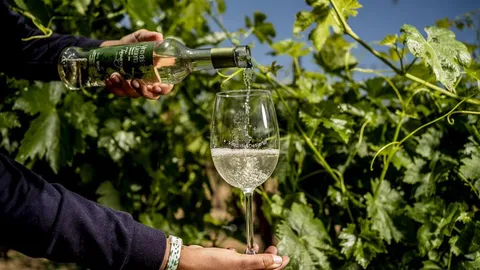
Tour and tasting
Ruta Vino del Desierto: Ruta Tradicional
Visita guiada por la Estación Experimental Canchones de la UNAP: el Jardín de Variedades con las plantas madre rescatadas, las nuevas…
from CLP 30,0001 h 40 minFri, Sat
Project of the Universidad Arturo Prat in the Pampa del Tamarugal that rescued century-old vines from the desert and makes wine from Tamarugal, the first registered Chilean wine grape variety.
Experience names and descriptions are the ones published by the winery, in Spanish.
Visita guiada por la Estación Experimental Canchones de la UNAP: el Jardín de Variedades con las plantas madre rescatadas, las nuevas…
La misma visita guiada por el Jardín de Variedades, el viñedo y la bodega enológica de Canchones, con cata y maridaje de 3 vinos con…
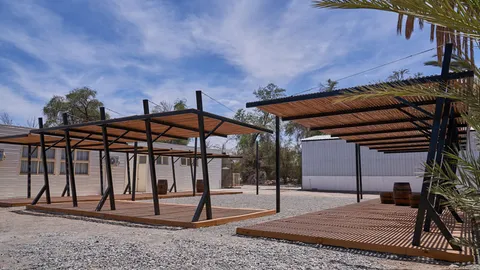
La misma visita guiada por el Jardín de Variedades, el viñedo y la bodega enológica de Canchones, con cata y maridaje de 4 vinos con…
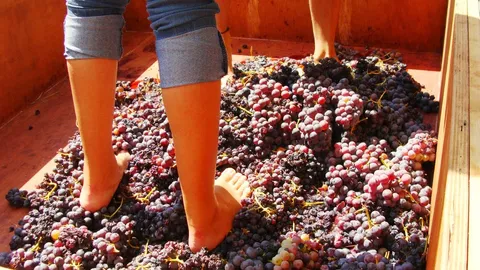
Fiesta abierta a la comunidad que da inicio a la cosecha en la Estación Experimental Canchones: pisado tradicional de uvas, degustación…
Wine has been made in Tarapacá since the late 16th century, first in the oases of Pica and Matilla and later also in the Pampa del Tamarugal, to supply the nitrate works and the mines. The activity died out between 1937 and 1949, with the end of nitrate, competition from the wines of central Chile, taxes and the diversion of water to Iquique. In 2003 a team from the Faculty of Renewable Natural Resources at the Universidad Arturo Prat (UNAP), led by the academic Marcelo Lanino, began rescuing vines over a hundred years old that had survived abandoned in the desert. In 2004 they planted them in a small variety garden at the Canchones Experimental Station and sent their DNA to laboratories in Chile, Spain and France: this revealed País, Gros Colman (a red grape originally from Georgia), Ahmeur bou Ahmeur and Torrontés Riojano, as well as a white grape that matched none of the roughly 7,000 varieties it was compared with. In 2016 the SAG (Chile's agricultural and livestock service) registered it under the name Tamarugal, the first wine grape of Chilean origin ever registered.
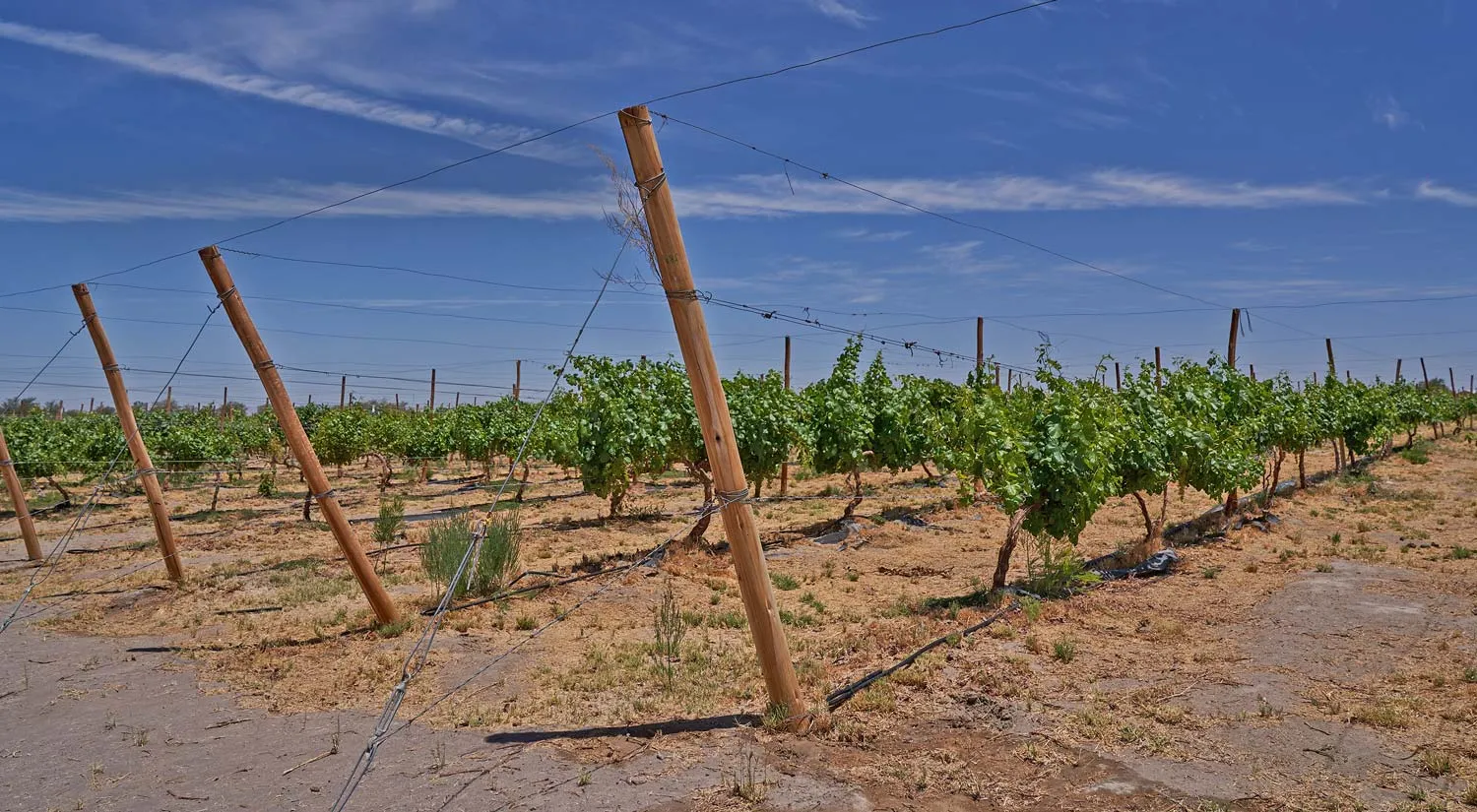
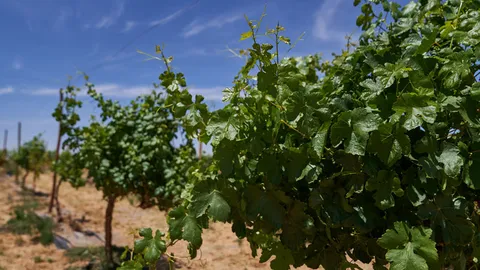
The Canchones vineyard is about 90 km southeast of Iquique at 960 meters above sea level, on soils with a salt crust, with days above 30 °C all year round and a temperature swing that in winter can reach 40 °C. The vines are trained on a simple trellis and drip-irrigated with water from ancient underground aquifers; the winery, which since 2011 has had a complete vinification line funded by the Regional Government, works only with stainless steel tanks and a coarse filtration. Since the first artisanal harvest, trodden by foot in 2006, the project has grown to the point of supplying plants and technical advice to farmers in the province of Tamarugal. It makes Tamarugal in dry and abocado (slightly sweet) versions, a Tamarugal Dorado with 10% Torrontés Riojano, a Gros Colman and a País, and is developing a pilot sparkling wine that has been offered for tasting at recent harvests. Its wines have won gold medals at Catad'Or and scores of 90 to 93 in the La Cav and Alistair Cooper guides. They are bought at the winery's shop, Tuesday to Thursday; there are no online sales or shipping.
The Ruta Vino del Desierto receives visitors on Fridays and Saturdays, with prior booking by email. It tours the variety garden with the rescued mother plants, the new vineyards and the winery, and ends with a tasting that, depending on the level, goes from two wines (Tradicional) to three or four with a pairing of local products (Premium and Diamante). It is for adults over 18 only and does not include transportation: the station is an hour and a half from Iquique via route A-665, the road to Pica, and you should bring a hat, sunscreen and water. Every March, the Fiesta de la Vendimia opens the harvest at Canchones with grape treading, tastings, music and folk dances, live cooking and a fair of local entrepreneurs.
Photos: Vino del Desierto (UNAP).
Location from the address
Profile verified on November 2, 2026 by The Wine Travel Guide team against official sources.
Winery registered with the SAG (Chile's agricultural service) as a wine producer (official list, November 2026).
Is this your winery? Claim the profile · Spotted an error? Let us know
 Apple Maps
 Waze