The winery
Trabún means “meeting place” in Mapudungun, and the meeting here is between the two passions of Sergio Avendaño: wine and music. This agronomist and winemaker, a drummer since the age of 13, worked in the United States, South Africa, New Zealand, France and Chile before settling in Requínoa. After a spell at a winery where, as he tells it, paperwork left him no time for the vineyard or the cellar, he decided to go independent and gradually convert the family farm of apple, almond and peach trees into vineyard. The first Syrah vines were planted in 2006 and the first wine is from 2008. Today it is a member of MOVI, the Movimiento de Viñateros Independientes (Independent Winegrowers' Movement).
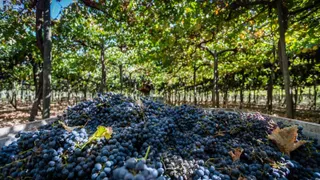
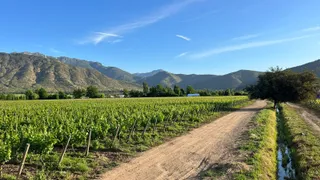
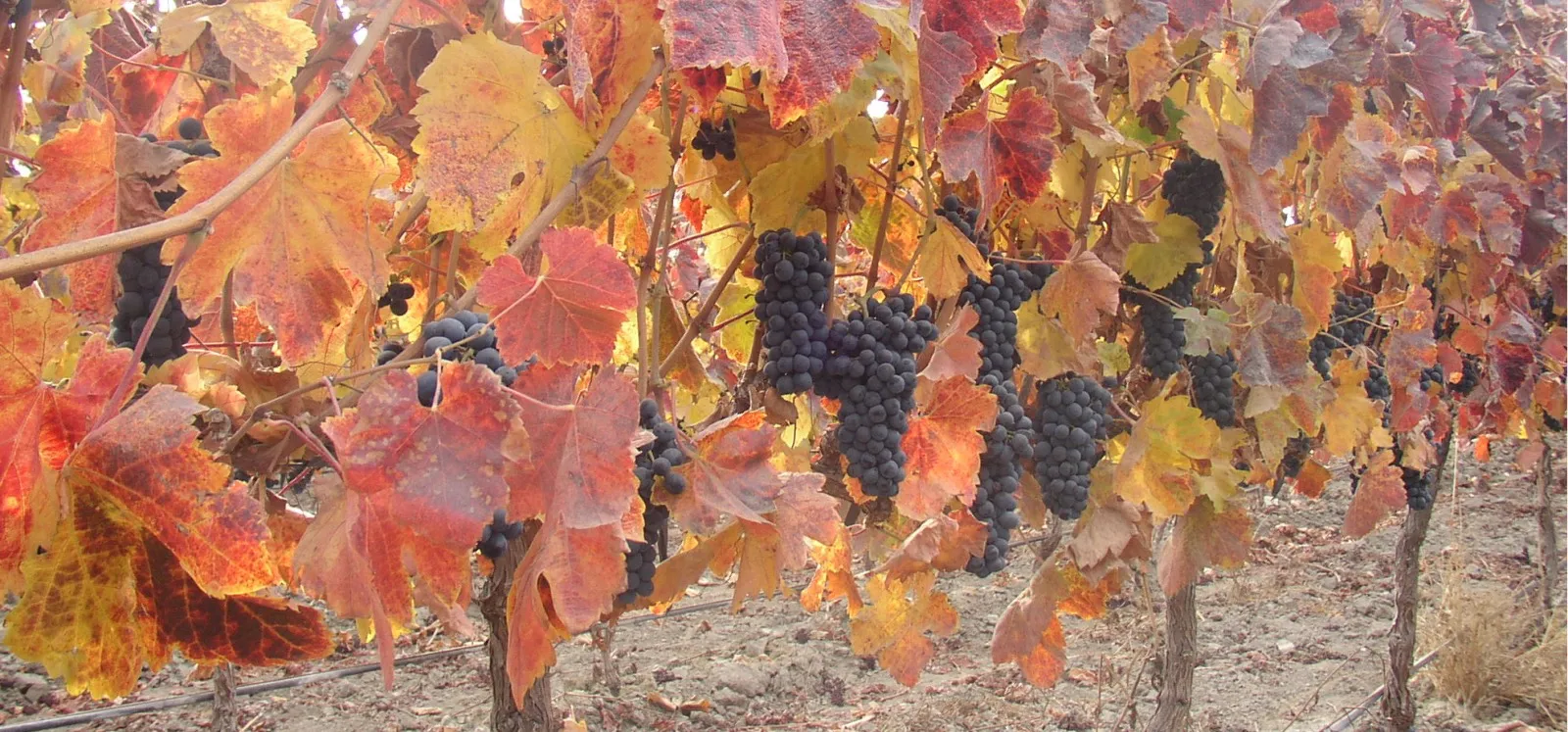
The vineyard is in Requínoa, in the Alto Cachapoal, about 100 km south of Santiago and at 400–450 meters above sea level, on a former arm of the Cachapoal River. The soils are thin, low-fertility alluvial soils, with cold nights from the nearby Andes and a southwesterly wind during the day. The winery's website details 22 hectares planted between 2006 and 2012 with Syrah, Sauvignon Blanc, Malbec and Cabernet Sauvignon, a figure from some years ago. The lines follow the musical metaphor: Sessions, a blend of Cabernet Sauvignon and Malbec, is the entry point; Soloist gathers single-variety wines, such as Syrah, Sauvignon Blanc and Côt, the name the winery gives its Malbec; and Orchestra blends Côt, Cabernet and Syrah. The Unplugged line steps off that terrain: according to the wine shop that sells it, it uses native yeasts with Carignan from Loncomilla, in the Maule, and Garnacha from San Nicolás, in Itata.
The winery publishes no visitor offering, address or hours, and its website has no store: it gives an email, and its MOVI profile adds a WhatsApp number. Anyone wanting to see the vineyard should ask first through those channels. The wines are bought in wine shops. Bakkai, online, carries recent vintages, from CLP 8,000 for the Soloist Sauvignon Blanc to CLP 15,000 for the Soloist Côt 2023 and the Soloist Syrah 2020; Santiago Wine Club, with a shop in Santiago's Lastarria neighborhood, sells older vintages between CLP 9,990 and CLP 15,990. Few bottles of each wine remain and stock changes, so check before going. Its website, some years old, also names the United States, Mexico, Brazil and China as markets.

 Apple Maps
 Waze